The Science of Tooth Enamel Remineralisation: A Bio-Regenerative Approach
Tooth enamel is the body’s hardest tissue yet once damaged, it does not regenerate on its own. Modern lifestyles make enamel vulnerable: acidic drinks, snacking patterns, stress-driven mouth chemistry and environmental factors all create cycles of demineralisation that weaken the tooth surface over time. At Levitas Dental Clinic, our focus is on restoring natural strength through bio-regenerative methods, and enamel remineralisation sits at the heart of that philosophy.
Today’s innovations allow us to support enamel repair in ways that were not possible a decade ago. New biomineral-based oral care formulations can actively replenish lost minerals, strengthen weakened enamel and help reverse early lesions long before invasive dentistry becomes necessary.
How Remineralisation Works
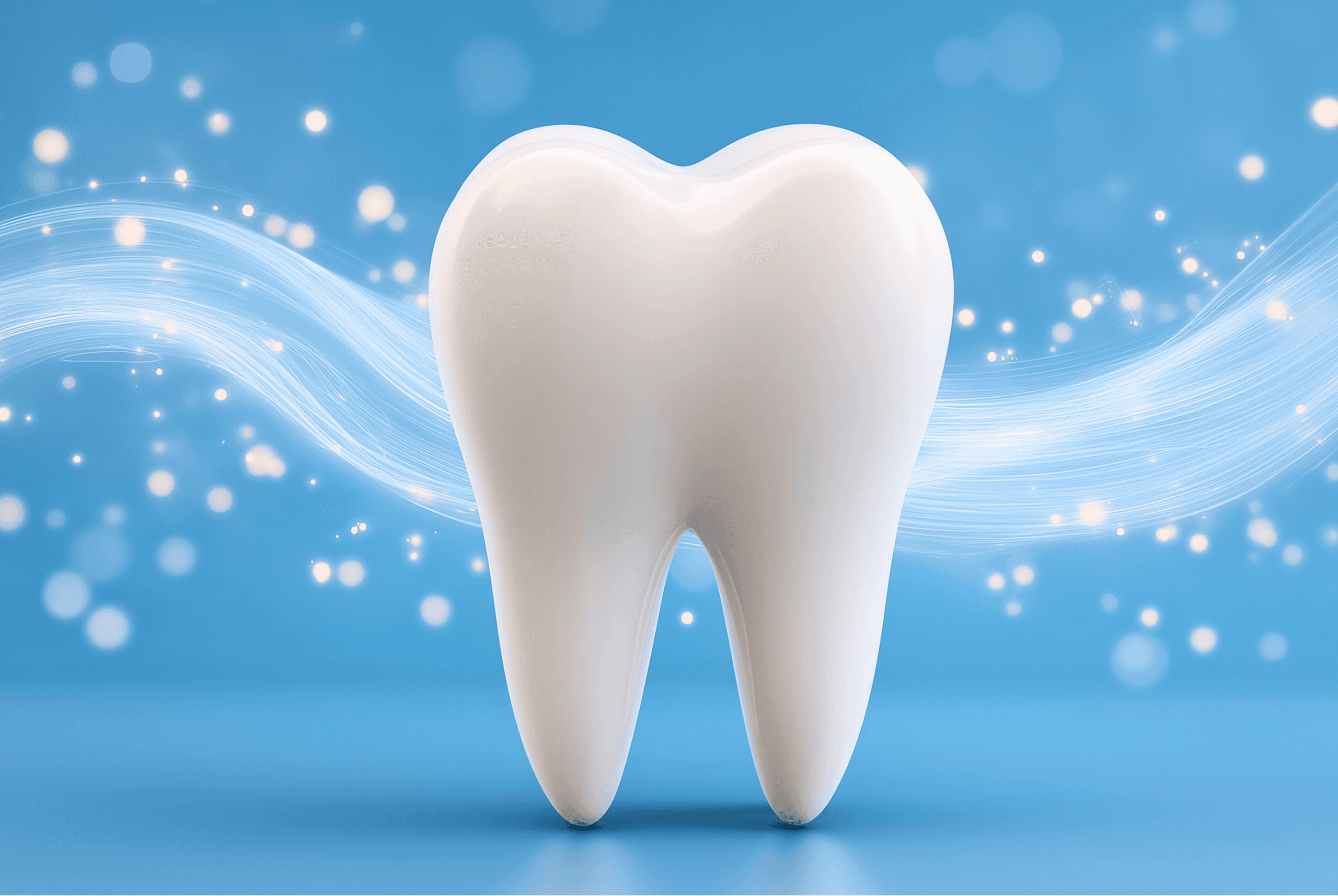
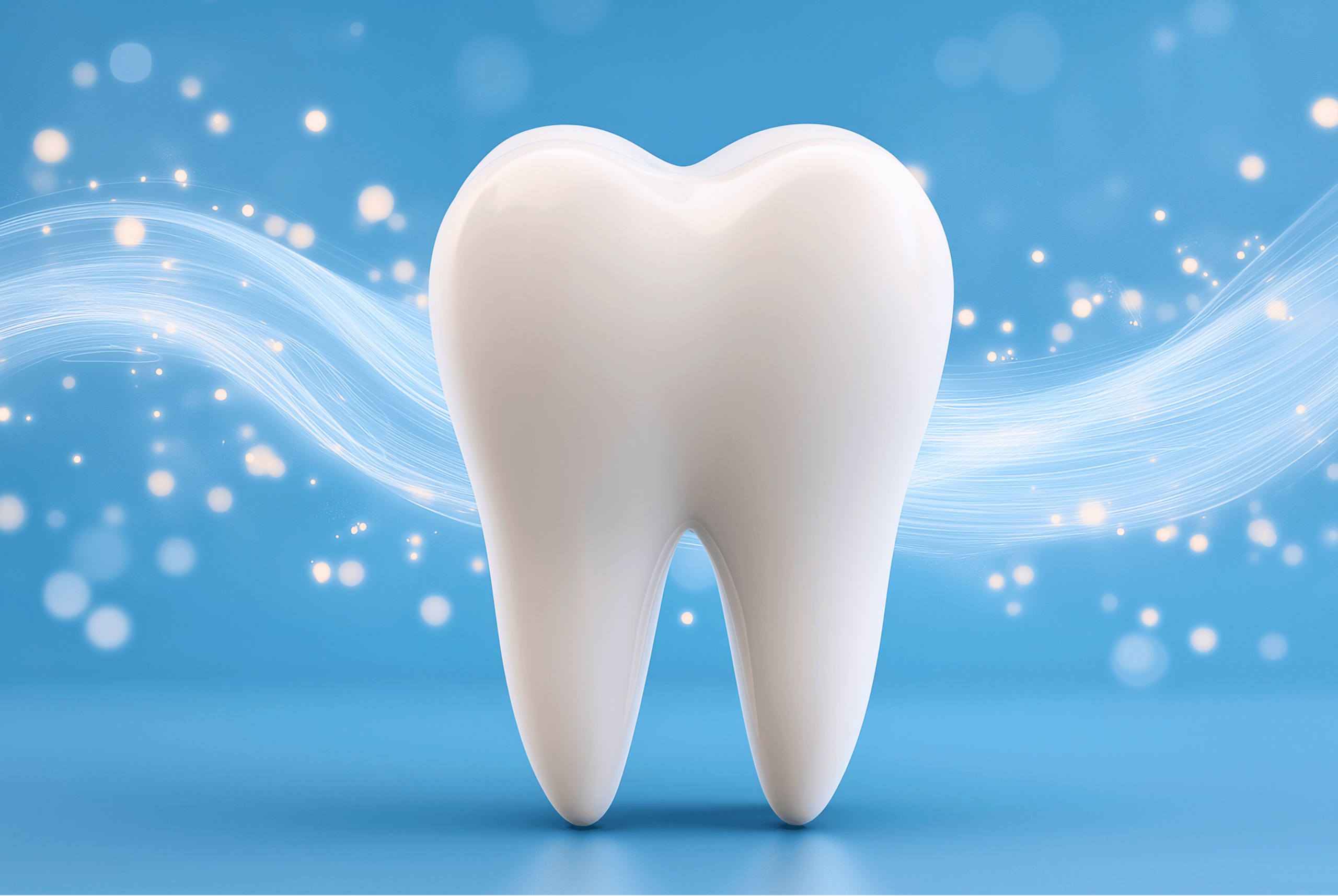
Enamel naturally contains minerals such as calcium and phosphate. When the mouth becomes acidic, these minerals dissolve from the enamel surface, a process known as demineralisation. If this cycle continues without intervention, cavities can eventually form.
Remineralisation is the physiological process of replenishing these lost minerals back into the enamel matrix. Under the right conditions balanced saliva chemistry, a clean tooth surface and the presence of bioavailable mineral sources enamel can repair itself and regain hardness.
This is the foundation of modern, minimally invasive dentistry.
Why We Use Bio-Regenerative Oral Care
Conventional approaches often focus heavily on fluoride as the single primary agent for enamel strengthening. While fluoride remains effective, many patients now look for solutions that are biocompatible, low-toxicity, and aligned with regenerative health principles.
This is where our partnership with Natch Labs becomes particularly valuable.
Natch Labs is a leader in natural, biomineral-focused oral care. Their formulations are designed to support enamel repair using clean, science-led ingredients that complement the body’s natural processes without compromising performance.
Science That Supports Real-World Results
Natch Labs has invested in independent laboratory testing using internationally recognised enamel remineralisation models. These tests simulate real-life conditions with cycles of acid exposure followed by mineral recovery phases.
Importantly, results have shown measurable support for enamel repair, reinforcing what we see clinically in our patients. These findings, combined with Natch’s ingredient purity and biomineral formulations, are central to why Levitas Dental Clinic has chosen them as a partner.
What This Means for Our Patients
By integrating Natch Labs products into our bio-regenerative oral care pathway, we can offer:
- Stronger enamel and improved surface integrity
- Support for reversing early enamel lesions
- Reduced sensitivity and improved long-term resilience
- A natural, performance-driven alternative aligned with regenerative dentistry
- A home routine that complements Guided Biofilm Therapy (GBT)
With consistent use, these formulations help maintain enamel health, reduce future restorative needs, and support a long-term preventive strategy.
Available at Levitas Dental Clinic
We now offer the full Natch Labs range at Levitas Dental Clinic. Our clinicians can advise you on which formulation best supports your oral health, sensitivity levels, and personal care routine.
For patients seeking a regenerative, clinically aligned, and natural oral health solution, these products offer a powerful bridge between daily hygiene and long-term enamel protection.
Key References
- Independent laboratory remineralisation testing commissioned by Natch Labs and conducted using standardised enamel pH-cycling models.
- Therametric Technologies, Inc. Dental Product Testing Division. In Vitro Enamel Remineralization Study (Study 22-415). Final Report.
- Featherstone JDB. “The Continuum of Dental Caries — Evidence for a Dynamic Disease Process.” Journal of Dental Research.
- ten Cate JM. “Current Concepts on the Theories of the Mechanism of Action of Fluoride.” Acta Odontologica Scandinavica.
- Shellis RP et al. “Demineralisation and Remineralisation Studies Using Artificial Caries Lesion Models.” Caries Research.