At Levitas Academy, we pride ourselves on delivering cutting-edge education through online courses, conferences, YouTube content, and podcasts—bridging science with real-world application.
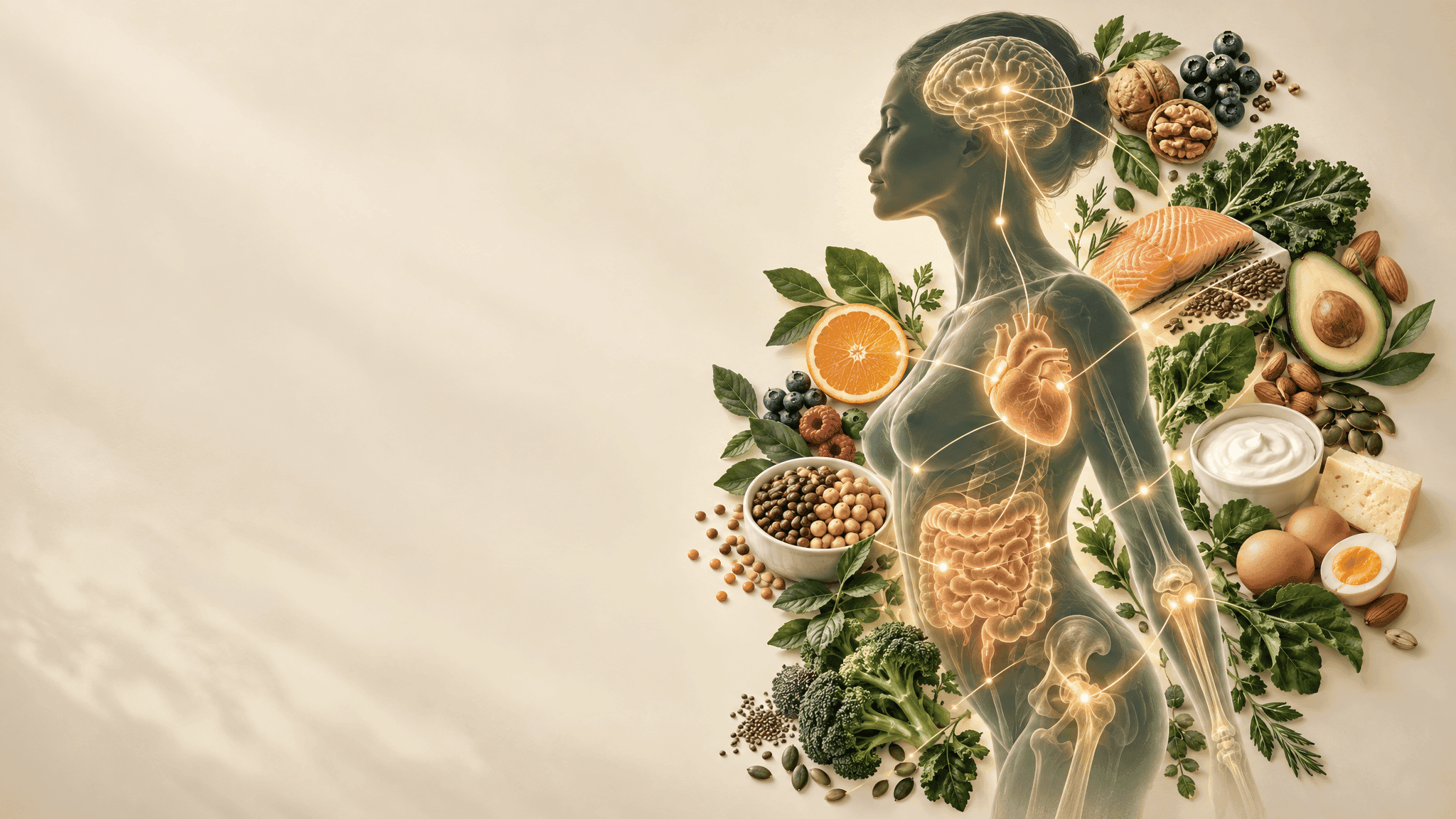
One of the most exciting and rapidly evolving concepts we teach is gut plasticity—the ability of the gut and microbiome to adapt, regenerate, and reprogram itself in response to lifestyle, nutrition, and environment.
This is not just theory.
This is the future of medicine.What is Gut Plasticity?
Gut plasticity refers to the dynamic ability of the gastrointestinal system—particularly the microbiome—to:
- Adapt to dietary and environmental changes
- Repair damage to the gut lining
- Rebalance microbial populations
- Influence systemic health, including immunity and brain function
Think of it like neuroplasticity for the gut.
Just as the brain rewires itself through experience, the gut reshapes its microbial ecosystem based on:
- What you eat
- How you live
- Your stress levels
- Your exposure to toxins
Why Gut Plasticity Matters More Than Ever
Modern life has disrupted our gut ecosystem:
- Processed foods
- Environmental toxins
- Chronic stress
- Antibiotic overuse
These factors reduce microbial diversity and impair resilience.
This is where gut plasticity for immunity and mental health becomes critical.
The Gut–Brain Axis and Microbiome Resilience
The gut-brain axis is a bidirectional communication system between:
- The gut microbiome
- The nervous system
- The immune system
Your microbiome produces:
- Neurotransmitters (e.g., serotonin, GABA)
- Immune-modulating compounds
- Anti-inflammatory metabolites
Improved mood stability, reduced anxiety and depression, enhanced cognitive clarity
Stronger immune surveillance, reduced chronic inflammation, better response to infections
Faster recovery from stress, improved metabolic flexibility, greater adaptability
This is the foundation of gut brain axis and microbiome resilience.
Rewiring the Gut: The Science of Change
Gut plasticity operates through several biological mechanisms:
1. Microbial Diversity Expansion
- Diet (prebiotics, polyphenols)
- Probiotics and postbiotics
- Environmental exposure
2. Intestinal Lining Repair
- Tight junction restoration
- Reduced permeability (“leaky gut”)
- Enhanced nutrient absorption
3. Immune Recalibration
- Reduced inflammatory cytokines
- Improved immune tolerance
4. Metabolic Reprogramming
- Improved mitochondrial function
- Better glucose and fat utilisation
Practical Steps to Enhance Gut Plasticity
At Levitas Academy, we teach practical, science-backed strategies:
1. Nutritional Repatterning
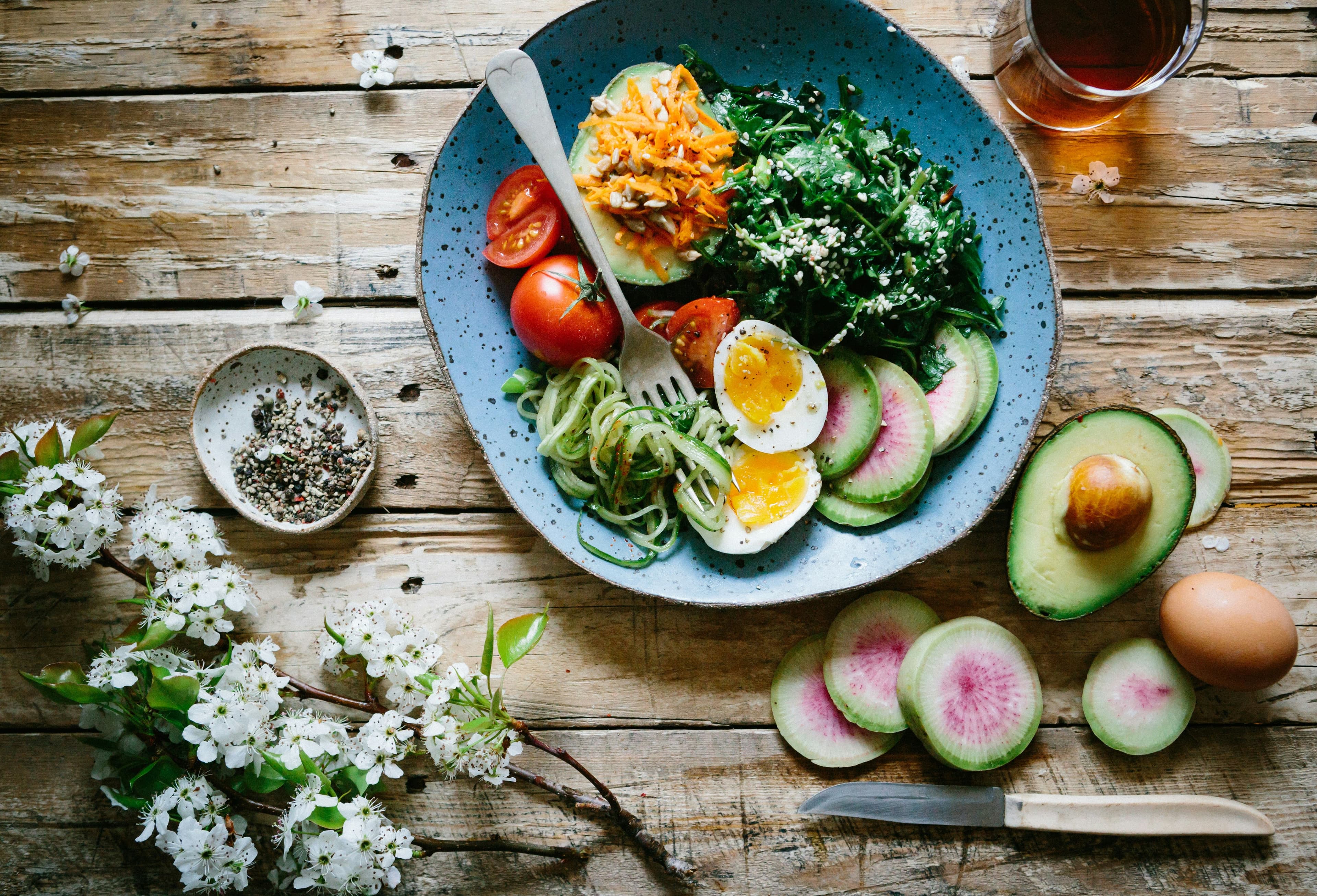
- Diverse plant-based foods
- Seasonal and ancestral eating patterns
- Reduction of ultra-processed foods
2. Fasting & Autophagy
- Encourages microbial reset
- Promotes cellular repair
3. Targeted Supplementation
- Prebiotics, probiotics, postbiotics
- Polyphenols and medicinal mushrooms
- Personalised protocols based on testing
4. Stress Regulation
- Breathwork
- Vagus nerve stimulation
- Sleep optimisation
5. Detoxification Support
- Liver and gut synergy
- Reduction of toxin load
Gut Plasticity for Immunity and Mental Health
Immune Optimisation
- Trains immune cells
- Reduces autoimmune tendencies
- Enhances defence against pathogens
Mental Well-being
- Produces key neurotransmitters
- Reduces neuroinflammation
- Supports emotional regulation
Learn More: Microbiome Health Course Online
If you want to go deeper, Levitas Academy offers a comprehensive microbiome health course online, designed for:
- Healthcare professionals
- Nutritionists
- Wellness practitioners
- Individuals seeking advanced understanding
Our courses combine:
- Scientific evidence
- Clinical insights
- Practical protocols
Introducing the Gut Plasticity Course (CPD Online)
Our flagship Gut Plasticity Course provides:
What You’ll Learn
- The science of gut plasticity
- The gut-brain axis and microbiome resilience
- Clinical applications for immunity and mental health
- Advanced protocols for gut restoration
Why It Matters
This is more than education—it’s a shift in perspective:
- 👉 From treating symptoms
- 👉 To rewiring the system
The course is also available as a Gut plasticity CPD online programme, supporting continuous professional development.
The Levitas Philosophy
“As is in, so is out.”
The gut is not just a digestive organ. It is a central command system for immunity, hormones, brain health, and longevity.
- Immunity
- Hormones
- Brain health
- Longevity
Understanding and applying gut plasticity allows us to move from:
Final Thoughts
Your microbiome is not your destiny—it is your opportunity.
- Rebuild resilience
- Restore balance
- Optimise health at every level
Ready to Rewire Your Gut?
- 🎓 Gut Plasticity Course
- 🌐 Microbiome health course online
- 🎥 YouTube education series
- 🎙️ Podcasts and expert discussions
Explore our courses, YouTube education series, and expert-led content.