
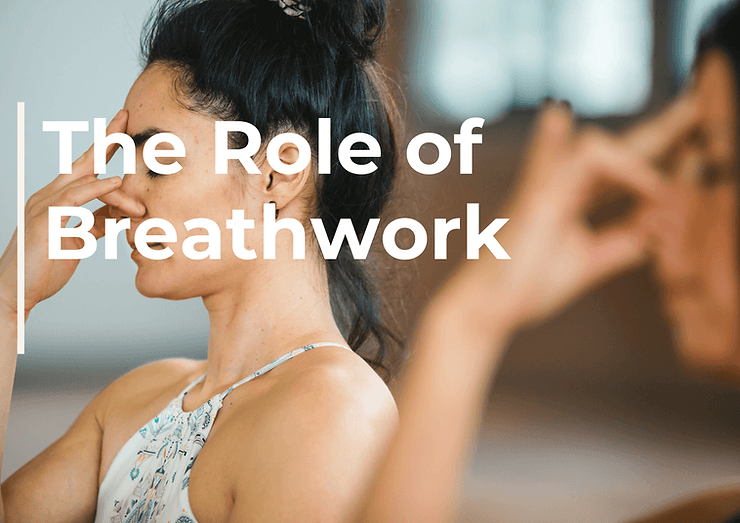
The Role of Breathwork in Enhancing Overall Health and Well-being

Abstract
Breathwork, defined as intentional and controlled breathing practices, has emerged as a pivotal intervention for improving physical, psychological, and systemic health. By modulating autonomic responses, enhancing mental health, and addressing sleep-disordered breathing, breathwork provides a holistic approach to health optimisation. This paper synthesises evidence from recent studies and traditional practices to explore the physiological, psychological, and systemic benefits of breathwork while suggesting future directions for research and clinical applications.
1. Introduction
Breathing is a fundamental physiological process, yet it holds profound therapeutic potential when performed intentionally. Traditional practices such as yoga and mindfulness have long emphasised the role of breath in connecting body and mind (Iyengar, 1981). Modern science validates these ancient insights, revealing that breathwork significantly influences autonomic regulation, emotional resilience, and systemic health (Russo et al., 2018; Lehrer et al., 2021). This article examines breathwork’s role in addressing physical, psychological, and systemic health challenges, particularly in the context of sleep-disordered breathing and chronic disease management.
2. Physiological Benefits of Breathwork
2.1 Autonomic Regulation
Controlled breathing enhances parasympathetic activation, improving heart rate variability (HRV) and reducing stress. Slow breathing techniques (<10 breaths per minute) have been shown to synchronise respiratory and cardiovascular systems, promoting relaxation and emotional adaptability (Lehrer et al., 2021; Russo et al., 2018).
2.2 Respiratory Dysfunction
Breathing dysfunctions, including mouth breathing, contribute to conditions such as obstructive sleep apnea (OSA) and craniofacial abnormalities in children. Myofunctional therapy, often integrated with breathwork, addresses these dysfunctions, offering non-invasive solutions to improve airway patency and overall respiratory health (Guilleminault et al., 2017; Camacho et al., 2015).
3. Psychological and Emotional Benefits
3.1 Stress and Anxiety Reduction
Breathwork has demonstrated efficacy in reducing stress and anxiety. Techniques such as Sudarshan Kriya yoga and voluntary regulated breathing improve emotional control and reduce symptoms of depression (Brown & Gerbarg, 2018; Scully et al., 2020). These interventions align with mindfulness-based stress reduction (MBSR) practices, enhancing mental well-being (Kabat-Zinn, 2013).
3.2 Experiential Psychotherapy
In psychotherapy, breathwork serves as an experiential tool, facilitating emotional processing and improving treatment outcomes for anxiety and depression (Camacho et al., 2018).
4. Systemic Health Impacts
4.1 Sleep Quality and Disorders
Breathwork plays a crucial role in addressing sleep-disordered breathing. Studies on myofunctional therapy highlight its effectiveness in managing pediatric OSA by improving airway function and reducing apneic events (Camacho et al., 2018; Dentistry Journal, 2023). Pre-fabricated myofunctional appliances further demonstrate potential in reducing OSA severity among children (Camacho et al., 2018).
4.2 Chronic Disease Prevention
Breathwork’s ability to modulate systemic inflammation makes it a promising intervention for chronic diseases such as hypertension, diabetes, and cardiovascular conditions. Controlled breathing optimises oxygenation and reduces oxidative stress, contributing to improved metabolic health (Barnes, 2019).
5. Cultural and Philosophical Perspectives
Traditional practices such as pranayama in yoga view breath as a life force (prana), bridging the body and mind. These practices align with modern breathwork approaches, emphasising holistic health and resilience (Iyengar, 1981; Nature.com, n.d.).
6. Future Directions
To fully harness breathwork’s potential:
- Standardisation: Develop unified diagnostic criteria and training protocols.
- Interdisciplinary Integration: Incorporate breathwork into fields like orthodontics, sleep medicine, and psychotherapy.